

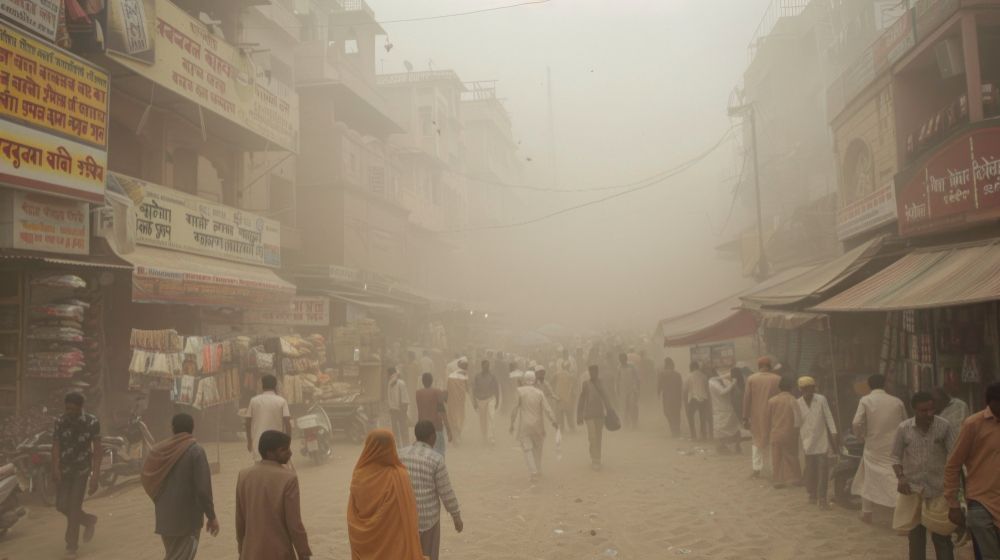
Why Indoor Air Quality Matters
Outdoor PM2.5 and PM10 easily enter homes through doors, windows, and gaps. Cooking smoke, incense, candles, and dust further increase indoor pollution. Children breathe more air per kilogram of body weight and have developing lungs, making them especially vulnerable. WHO links prolonged exposure to air pollution with respiratory infections, asthma, and slower growth in kids.
How Bad is Delhi’s Air — Compared to Cigarettes?
To help people understand the risk, scientists sometimes compare PM2.5 exposure to “cigarette equivalents.” Breathing air with high PM2.5 for 24 hours can be roughly comparable to inhaling passive smoke from a fraction of a cigarette — not a literal match, but a relatable way to explain how toxic air harms your lungs. Research shows that prolonged exposure in Delhi can equal passive smoking every day.
10 Steps to Reduce Indoor AQI and Pollution
1. Seal Doors and Windows Properly
Use weather strips or door sweeps to block outside dust and smoke from entering. This simple step can instantly reduce indoor PM levels during high-AQI days.
2. Cook Smartly
Cooking, especially frying, releases fine particles. Use lids, cook at lower flame, and always turn on an exhaust fan that vents outdoors.
3. Clean Soft Furnishings Weekly
Carpets, sofas, and curtains trap dust. Use a HEPA-filter vacuum if you have one, or use a damp cloth to wipe surfaces. Dry dusting spreads particles into the air.
4. Create a “Clean Air Zone” for Kids
Focus on your child’s bedroom. Keep it closed during high AQI hours (morning/evening), change bedding weekly, and run a small purifier or DIY fan-filter setup.
5. Use Exhaust While Cooking
If your kitchen exhaust vents outdoors, switch it on during every cooking session. Otherwise, open a window away from traffic and use a small fan to blow air out.
6. Avoid Any Kind of Indoor Burning
No cigarettes, incense sticks, diyas, or candles indoors on smog days. Each contributes to sharp PM spikes that affect kids and elderly family members.
7. Wet Cleaning > Dry Sweeping
Mop floors and wipe surfaces with a damp cloth instead of sweeping dry. This keeps dust from floating and resettling in the air.
8. Make a DIY Air Purifier
Attach a MERV-13 or HEPA-rated filter to the back of a box fan using tape. This low-cost trick, tested in studies (source), can reduce indoor PM2.5 by up to 50–60% in a single room.
9. Add Indoor Plants (for Supplementary Benefit)
Plants like Areca Palm, Snake Plant, Money Plant, and Spider Plant can absorb certain volatile compounds and boost humidity. While not a full purifier substitute, they help improve indoor air freshness. Studies support modest benefits.
10. Check AQI Before Going Out
Use apps like SAFAR, IQAir, or AQI India to check local readings. Plan outdoor activities when AQI is better (midday or post-rain). Limit outdoor play when it’s “poor” or “severe.”
Can’t Afford an Air Purifier? Here’s What You Can Do
- DIY filtration: Use a fan + MERV-13 filter for under ₹1,000.
- Prioritize one room: Focus cleaning efforts and filtration on your child’s bedroom.
- Ban indoor smoke: The single most effective, zero-cost action you can take.
- Share a purifier: Neighbours can pool one air purifier and rotate weekly.
What Research Says for Parents
- Children’s lungs are still developing, and PM2.5 exposure affects long-term health. (WHO report)
- HEPA filtration reduces indoor PM2.5 by 40–60% and lowers asthma triggers.
- Combining source control + ventilation + filtration works best.
Quick Checklist for Every Delhi Home
- Seal windows & doors ✔
- Use exhaust while cooking ✔
- No indoor smoking or incense ✔
- Damp-clean surfaces weekly ✔
- DIY air filter ready ✔
- Child’s bedroom is the cleanest air zone ✔
Bottom Line
Delhi’s air may be out of our control, but what we breathe inside our homes isn’t. With these ten simple steps, parents can cut indoor pollution dramatically, protect children’s health, and breathe a little easier — without spending a fortune. Consistent small changes matter more than one-time fixes. Let’s make our homes the cleanest space our kids can breathe in.
References