Chhath Puja Ghats in Delhi 2025: A Complete Guide to the Best Locations, Timings, and Eco-Friendly Tips
Discover Delhi’s top Chhath Puja ghats — from the iconic Yamuna Ghat to Dwarka and Pitampura — with muhurat timings, travel tips, and eco-conscious rituals for 2025.
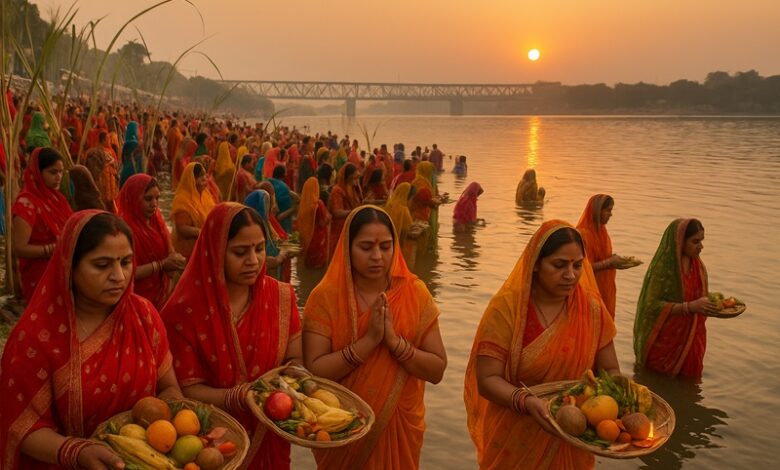
Chhath Puja — the four-day, deeply devotional festival dedicated to Surya (the Sun) and Chhathi Maiya — is one of the most visually striking and community-driven celebrations in Delhi. In 2025 the festival falls in late October, and the city is preparing to host thousands of devotees across dedicated ghats and temporary puja sites. If you plan to witness or participate in the Sandhya (evening) and Usha (morning) arghya this year, this guide will help you pick the right ghat, reach it safely, and celebrate in an eco-conscious way.

Quick essentials — Dates & Muhurat (what to know at a glance)
- Chhath Puja 2025 dates: Late October 2025 (main Arghya day: Oct 27, 2025). Exact rituals span over four days: Nahay-Khay, Kharna, Sandhya Arghya, and Usha Arghya.
- Best time to arrive at ghats: For Sandhya Arghya (evening) arrive 60–90 minutes before sunset; for Usha Arghya (sunrise) arrive well before first light to secure a good spot. Sunrise/sunset times and tithi details vary by year — check local panchang/muhurat for the final minutes.
Why Delhi’s ghats matter in 2025
Delhi in recent years has seen an evolution in how Chhath is organised: city authorities and community bodies have expanded and formalised puja spaces, creating hundreds — in some reports over a thousand — designated ghats and temporary platforms along the Yamuna and in neighbourhood pockets across the capital, with attention to crowd management, sanitation and cultural programming. If you’re attending public ghats this year, expect organised zones, signage, and basic facilities in many of the larger sites.
Top ghats & spots to consider (where to go and why)
Note: Ghats listed below are among the most commonly recommended and traditionally busy locations in Delhi. Choose depending on whether you want a devotional crowd experience, quieter puja, or family-friendly facilities.
1. Yamuna Ghat (ITO / Kashmere Gate stretch) — The classic experience
This is the most iconic spot for Chhath in Delhi — the long stretches along the Yamuna near ITO and adjoining areas are where large Purvanchali communities gather each year. Expect a massive crowd, colourful processions, live folk singing (Bhojpuri and Maithili), and a charged devotional vibe. If you want to feel the full festival energy and watch thousands of devotees offering arghya together, this is the place. Authorities typically deploy big crowd-control, medical booths, and sanitation drives here.
2. Kalindi Kunj / Okhla stretch — Accessible & well-managed
Kalindi Kunj sees a large turnout and is preferred by many families because of easier road access and better organised temporary arrangements. It’s often chosen by groups who come from across the NCR to take part in both Sandhya and Usha arghyas. (If you plan to come by road or cab, Kalindi Kunj tends to be more straightforward than some congested inner-city ghats.)

3. Dwarka & Pitampura model ghats — Planned, family-friendly hubs
In 2025, several localities (including Dwarka and Pitampura) are emphasising model/temporary ghats with planned amenities — lighting, toilets, tents and volunteer teams — to accommodate neighbourhood devotees and reduce pressure on Yamuna central stretches. These are good choices if you prefer an organised, community-managed setup rather than the open riverbank crowd. (mint)
4. Bhalswa / Wazirabad / Burari pockets — Community pujas & quieter mornings
Smaller community ghats and ponds in north Delhi often host peaceful pujas with community committees running the show. These can be great for those seeking a quieter, more intimate morning arghya with fewer logistical headaches. Local committees often arrange guides and assistance for women observing the strict fast.
5. Temple tanks and artificial ghats inside colonies — Best for families & first-timers
Many residential colonies, temples, and NGOs build artificial ghats in parks or temple tanks. These are perfect for families, seniors and children, as they often offer seating, queue systems and minimal road hassles. If you’re new to Chhath or travelling with elderly family, look for community ghats nearer your neighbourhood.
How to choose the right ghat for you
- Want the biggest, most traditional spectacle? Yamuna/Ito/Kashmere Gate stretches.
- Prefer better facilities & a more organised experience? Pick model ghats in Dwarka, Pitampura or local municipal ghats that list amenities.
- Need safe, quiet space or family-friendly seating? Look for colony/temple artificial ghats or community ponds.
Travel, timing & getting there — practical tips
- Arrive early. For Sandhya (evening) the best viewing spots fill fast; for Usha (morning) devotees start arriving in darkness. Plan public transport or parking ahead.
- Public transport: Use metro/bus where available — central ghats are usually linked to major transport hubs but last-mile options (autos/cabs) may be needed. Expect road closures near major ghats on puja days; follow diversions and police instructions. (Always check local traffic advisories on puja dates.)
- Parking: Avoid driving to the busiest ghats unless you know the permitted parking — local committees and police may open temporary lots but they fill quickly.
- Security & entry: Large ghats have security checks, barricades, and controlled entry points; carry minimal belongings. Medical and first-aid booths are often present at major ghats.
What to carry & how to dress
- Light layers: Early mornings can be cold; evenings may be warm. Wear comfortable, modest clothing suitable for wading in shallow water if needed.
- Essentials: Small torch/phone torch for early-morning navigation, water bottle, portable snacks (for companions — devotees fasting will not eat until prescribed time), basic first-aid, wet wipes and hand sanitizer.
- Respectful photography: Many devotees prefer privacy during puja; ask before close-up photos and avoid blocking the ritual area.
- Eco-friendly offerings: Use only biodegradable items — fruits, raw sugarcane, bananas, and earthen lamps. Avoid plastics, foam cups, or non-biodegradable decorations. Many authorities will enforce strict no-dumping rules to protect the Yamuna and reduce post-puja pollution.
Eco-friendly puja: how to make your offering non-polluting
Chhath stewardship has become a key message in Delhi. To protect water bodies, organisers and authorities are encouraging devotees to:
- Offer only biodegradable items (fruits, sugarcane, dhoop, unbleached cloth).
- Use earthen lamps (mitti ke diye) and avoid plastic floats.
- Place offerings on designated collection points if provided (many ghats maintain collection/segregation points).
- If you must bring pots or utensils from home, carry them back — do not leave them on the riverbank.
Safety & health pointers
- Don’t wade into the river beyond knee depth unless it is safe and permitted — many ghats are artificial platforms precisely to avoid contaminated river water contact. If local authorities prohibit entering the river, follow guidance — perform arghya from the ghat edge.
- Check water conditions locally; avoid direct contact with visibly foamy or contaminated water. Medical teams are typically on standby at major ghats.
- If fasting, plan recovery food post-Usha arghya — carry easy-to-digest items for breaking the fast if you are responsible for the food arrangements.
Photography, etiquette & cultural sensitivity
Chhath is intensely personal and devotional. If you’re visiting as a spectator:
- Stand to the side, keep noise low during arghya, and avoid intruding.
- Seek permission before recording close shots; many puja committees live-stream sanctioned segments for wider viewing.
- Support local vendors and community pandals where possible — buys of prasad and puja paraphernalia help neighbourhood economies.
Where to find more reliable, up-to-date info
Because dates, muhurats and municipal arrangements can change, consult: local district/municipal announcements, reliable news sites for Chhath-specific advisories, and the panchang (for exact sunrise/sunset / tithi times) before heading out. In 2025, multiple news outlets and civic alerts have published the list of model ghats and the date details — refer to those for the most current logistics.
Frequently Asked Questions
Q: When is Chhath Puja 2025 in Delhi?
A: Chhath Puja rituals fall in late October 2025 (main Arghya on Oct 27, 2025). Always confirm sunrise/sunset muhurat from a trusted panchang before attending.
Q: Can devotees enter the Yamuna for arghya?
A: Policies vary by year and location. Recent years have seen both restrictions and formalised temporary ghats to limit river contamination. Many major ghats now use artificial platforms; follow local notices and police instructions at the ghat.
Q: Which is the most crowded ghat in Delhi?
A: The Yamuna Ghat stretches near ITO / Kashmere Gate are historically the busiest — expect large crowds and limited personal space there.
Q: How can I celebrate eco-friendly Chhath in Delhi?
A: Use biodegradable offerings, avoid single-use plastics, use earthen lamps, and dispose of puja waste only at designated points. Many ghats provide collection systems — use them.
Final notes — experiencing Chhath in Delhi
Chhath Puja in Delhi is a living collage of devotion, folk music, community rituals and logistical choreography. Whether you go to the historic Yamuna ghats to witness immense crowds and traditional songs, or you opt for a quieter colony ghat with family seating, the festival is an unforgettable mix of fervour and culture. Plan ahead, respect local rules, celebrate sustainably, and carry patience — on Chhath days, Delhi moves slowly around the riverbank, and that unhurried rhythm is part of the festival’s soul.