LPG Crisis in India: Safe Cooking Alternatives for Flats & Apartments
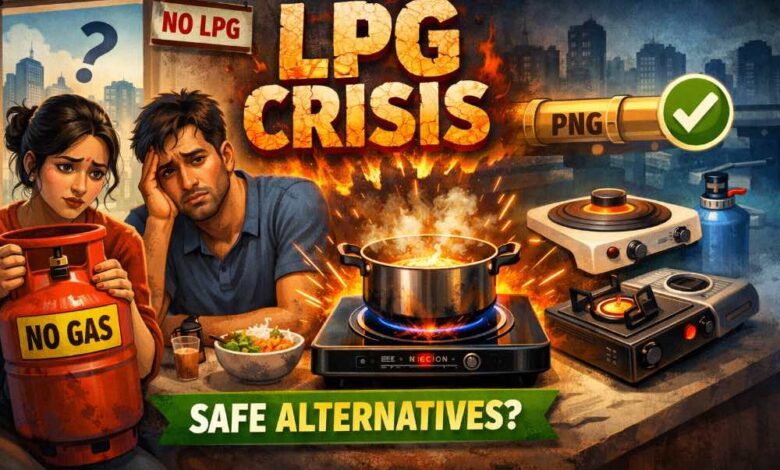
LPG Gas Crisis in India: Safe Alternatives for Apartments, Flats & What Influencers Are Not Telling You
The recent LPG gas supply concerns in India have triggered panic buying, viral social media advice, and confusion about cooking alternatives.
Many influencers are recommending quick fixes without discussing safety, legality, or apartment restrictions.
If you live in a Delhi apartment, flat, or gated society, switching from LPG is not as simple as buying a stove.
This guide explains safe cooking alternatives to LPG, apartment-safe options, safety guidelines, and common misinformation spreading online.
Why LPG Shortage is Becoming a Concern
Liquefied Petroleum Gas (LPG) is the primary cooking fuel for millions of households in India. Supply disruption fears often arise due to:
- Global fuel price fluctuations
- Supply chain disruptions
- High demand during seasonal changes
- Distribution delays
While a nationwide shortage is not officially declared, panic buying and viral social media content can create artificial shortages.
Best LPG Alternatives for Apartments and Flats
For people living in urban apartments like those in Delhi NCR, safety regulations and ventilation are critical when choosing an alternative cooking fuel.
1. Induction Cooktops (Most Recommended)
Induction stoves are currently the safest and most apartment-friendly alternative to LPG.
- No open flame
- High energy efficiency
- Auto shut-off safety
- Suitable for flats and gated societies
Limitations: Requires induction-compatible cookware.

2. Electric Coil or Ceramic Cooktops
Electric stoves work using heating coils instead of flame.
- Easy installation
- Works with regular utensils
- No gas leakage risk
Limitations: Slightly slower heating compared to induction.
3. PNG (Piped Natural Gas)
Many metro cities including Delhi are expanding PNG connections.
- Continuous gas supply
- No cylinder storage required
- Lower explosion risk compared to LPG cylinders
Limitations: Available only in selected areas.
4. Portable Butane Gas Stove
These are commonly used for camping or temporary cooking.
Important: Not recommended for daily use in closed apartments.
Alternatives You Should NOT Use Inside Apartments
Some influencers are promoting unsafe solutions that can be dangerous in closed spaces.
- Charcoal stoves (sigdi)
- Wood burning chulha
- Kerosene stoves
- Outdoor gas burners inside kitchens
These methods can produce carbon monoxide poisoning, fire hazards, and smoke accumulation.
Safety Guide for Cooking in Apartments
If LPG becomes unavailable or limited, follow these safety tips:
- Always cook in a well-ventilated kitchen
- Install a smoke detector if possible
- Keep fire extinguishers in the kitchen
- Avoid storing multiple gas cylinders indoors
- Never leave cooking appliances unattended
- Keep children away from cooking equipment
Common LPG Misinformation Spreading Online
Social media often spreads half-truths that create panic.
Myth 1: LPG Will Completely Run Out
India maintains strategic reserves and diversified import sources.
Temporary shortages do not mean LPG will disappear.
Myth 2: Camping Gas Stoves Are Safe Indoors
Portable gas stoves are designed for open or semi-open environments, not sealed apartments.
Myth 3: Charcoal Cooking is Safe Indoors
Charcoal emits carbon monoxide, a deadly odorless gas.
Apartment Cooking Safety Checklist
- ✔ Use induction cooktops where possible
- ✔ Maintain proper kitchen ventilation
- ✔ Avoid combustion-based cooking fuels indoors
- ✔ Keep emergency contacts handy
- ✔ Follow building safety regulations
What Delhi Residents Should Do Right Now
Instead of panic buying LPG cylinders, consider:
- Buying an induction cooktop as backup
- Checking if your area has PNG connection availability
- Following official government announcements
- Avoiding viral “hacks” promoted on social media
Responsible preparation is far better than reacting to misinformation.
Final Thoughts
The LPG discussion currently trending online shows how quickly misinformation can spread during supply concerns.
For people living in apartments and flats in Delhi NCR, the safest backup cooking solution remains electric or induction-based appliances.
Always prioritize fire safety, ventilation, and building regulations before adopting any alternative cooking method.
If you come across viral tips online, verify them through reliable sources before trying them at home.
Expert Advice: What Safety Professionals Recommend
Energy safety experts and fire safety authorities generally recommend that households in apartments rely on
electric cooking appliances such as induction cooktops or ceramic electric stoves during temporary gas supply disruptions.
These appliances reduce the risks associated with gas leaks, open flames, and carbon monoxide exposure, especially in closed residential buildings.
Fire safety professionals also advise residents to avoid experimenting with alternative fuels like charcoal or wood indoors,
as these can lead to dangerous smoke buildup and oxygen depletion in confined spaces.
If LPG supply concerns continue, the safest long-term solution for urban households is often a combination of:
- Primary LPG or PNG cooking
- Induction cooktop as backup
- Basic kitchen fire safety preparedness
Frequently Asked Questions About LPG Alternatives
Is induction cooking cheaper than LPG?
Induction cooking can be cost-effective depending on electricity tariffs. It is also more energy efficient because heat is generated directly inside the cookware rather than heating the surrounding air.
Can portable camping stoves be used inside apartments?
Portable butane or camping stoves are designed primarily for outdoor use. Using them inside poorly ventilated spaces can increase the risk of gas buildup and fire hazards.
What is the safest LPG backup option for flats?
Induction cooktops are widely considered the safest backup option because they do not use open flames or combustible fuel.
Is charcoal cooking safe inside homes?
No. Burning charcoal indoors can produce carbon monoxide, which is an odorless and potentially deadly gas.
Can apartments store multiple LPG cylinders?
Most housing societies and fire safety regulations recommend storing only one active cylinder indoors and avoiding excessive storage of LPG cylinders inside residential buildings.