

Introduction
Step into Old Delhi and time slows down. The honking fades, the air thickens with the scent of cardamom and age. Every narrow lane — every gali — whispers a forgotten story.
Some are carved into fading arches of havelis, others live in the laughter of shopkeepers selling saffron, ittar, or handwritten Quranic calligraphy. These aren’t just streets; they’re living museums of Delhi’s soul — places where history still breathes through every crack in the wall.
🕌 The Lost World of Shahjahanabad
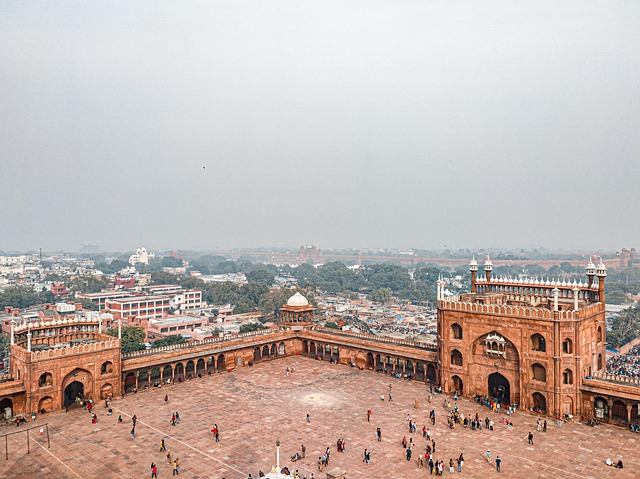
Old Delhi, once called Shahjahanabad, was built in 1648 by Emperor Shah Jahan. It was not just a city — it was a masterpiece of architecture, art, and community living.
Each mohalla had its baoli, its temple or mosque, and its distinct trade — from goldsmiths in Dariba Kalan to poets in Ballimaran. Today, these lanes stand squeezed between modern chaos and ancient grace, still carrying echoes of Mughal elegance.
🏚️ Forgotten Havelis and Their Secrets
Walk through Kucha Pati Ram and you’ll smell ink — because even today, calligraphers bend over pages of Urdu poetry.
In Ballimaran, Ghalib ki Haveli stands like a time capsule of Delhi’s poetic soul.
And in Naughara Gali, nine havelis stand proudly restored, their bright doors a defiance against time.
But many others — Namak Haram ki Haveli, the crumbling facades of Kucha Ghasi Ram, and the locked wooden balconies of Sitaram Bazaar — fade quietly. Each peeling wall hides a century of stories untold.
🌶️ The Fragrance of Everyday Life
Old Delhi is not just a monument — it’s motion.
The lanes are alive with halwai frying jalebis, the metallic clang of utensils, the aroma of roasting spices from Khari Baoli, and the soft azaan blending with temple bells.
Every sound, smell, and smile here is part of a grand living poem. The same streets where emperors once rode elephants now echo with scooters, rickshaws, and the laughter of children chasing kites over domes.
🕰️ Why These Lanes Matter
As Delhi modernizes, these forgotten corners fight to stay relevant.
Preserving them isn’t just about saving old bricks — it’s about remembering who we are. Each haveli, baoli, and gali holds the DNA of Delhi’s identity — layered with cultures, faiths, and flavours that no new skyline can replace.
So, the next time you walk through Chandni Chowk, pause.
Look beyond the chaos. Somewhere, between a spice shop and a sweet stall, an old wall might just whisper your next story.
📍 Must-Visit Forgotten Lanes of Old Delhi
| Lane / Area | What to See | Vibe |
|---|---|---|
| Ballimaran | Ghalib Ki Haveli, old footwear shops | Poetic, nostalgic |
| Kucha Pati Ram | Calligraphy & Urdu book shops | Artistic & soulful |
| Naughara Gali | Nine restored Jain havelis | Colorful, heritage-rich |
| Khari Baoli | World’s largest spice market | Aromatic & bustling |
| Kucha Ghasi Ram | Fading Mughal-era architecture | Eerie & ancient |
🧭 Final Thoughts
Old Delhi doesn’t need restoration alone — it needs remembrance.
Because cities don’t die when their walls collapse; they die when their stories are forgotten.
And in these lanes — between spice and silence — Delhi still remembers.